Is your video-first marketing strategy ready? Think with Google
“I use video more now than I ever have.”
That’s how a Gen Z respondent put it when describing how her viewing is evolving in
recent Kantar mixed-methods research on U.S. video consumption habits.
She’s far from alone. Over the past few years, consumer behavior has shifted to
establish video as the preferred medium for everything from entertainment and consuming
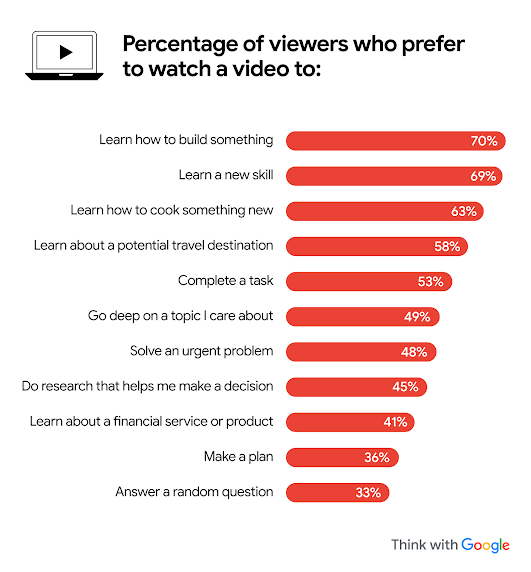
podcasts to commerce and learning. In fact, a remarkable 69% of viewers in the U.S. say
they’d now rather watch a video than read text or listen to audio to learn a new
skill.1
The Kantar study reveals an emerging video-first landscape with new centers of
influence, reshaping how consumers experience culture, discover new things, and make
decisions.
While marketers see video’s cultural staying power and growing utility in their own
lives, many have not adapted their media strategies. They’re still planning and buying
media based on the assumption that video mostly serves reach and awareness objectives,
leaving big opportunities untapped.
In nonlinear journeys, video is everywhere
The Kantar study shows that video has become a medium for more than passive engagement.
In addition to being favored for entertainment, it also increasingly informs,
influences, and educates consumers.
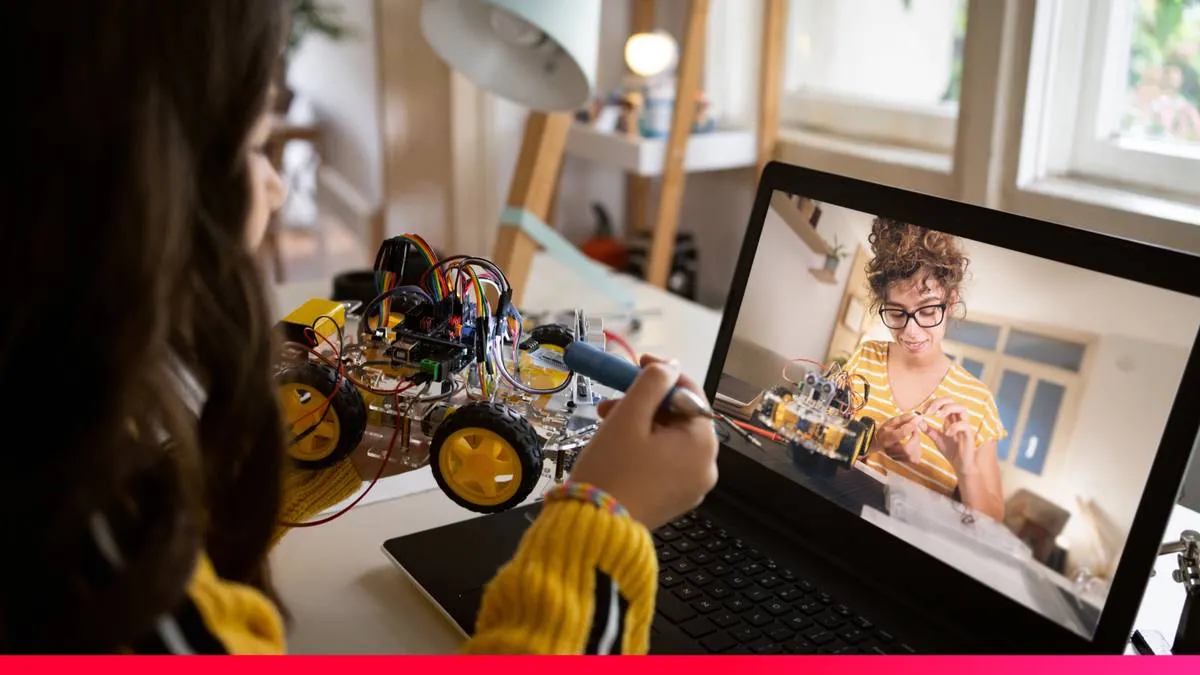
For instance, 70% of viewers in the U.S. would rather watch a video to figure out how to
build something than read text or listen to audio, and 63% would rather watch a video to
learn how to cook something.2
Today, people are constantly accessing video everywhere in every way for a multitude of
purposes, navigating across devices and formats in constantly-changing patterns that
defy the traditional marketing funnel.
In these nonlinear journeys, viewers
move fluidly across four core behaviors:
streaming, scrolling, searching, and shopping. While audiences are often drawn to a
platform for one or two of those behaviors, the Kantar research found YouTube emerged as
the preferred destination for all of them. It ranks as the top platform among U.S.
viewers, including among Gen Z, for streaming, browsing, and searching for video
content. Viewers in the U.S. also agreed that YouTube has the best shopping-related
content, including instructional videos (91% agree), product reviews (81%), and unboxing
videos (76%).3
This demonstrates both the changing role of video in the consumer journey, and a shift
in what and how audiences prefer to watch. Viewers’ affinity for YouTube is driven in
part by its vast library of creator produced content that spans every format, from short
form to podcasts, and is accessible on every screen, from mobile devices to connected
TVs.
The trust dividend: The power of creators
The study also highlights the leading role that creator video content has taken in the
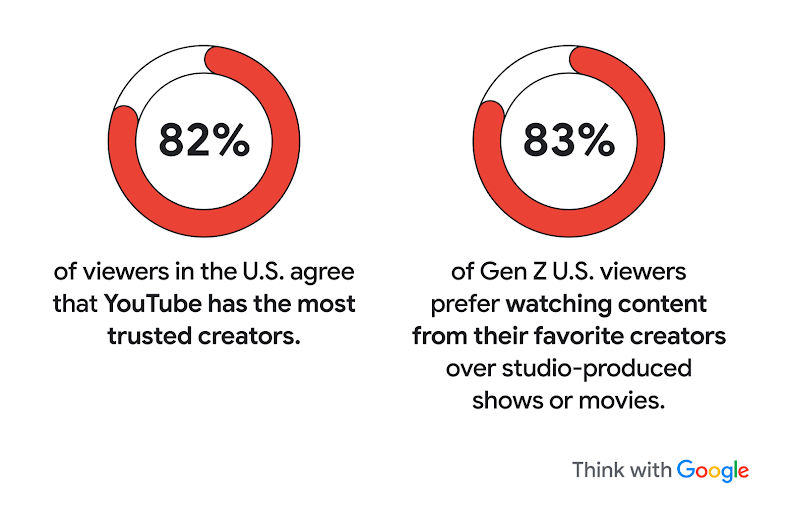
new landscape. In fact, 83% of Gen Z U.S. viewers surveyed say they prefer watching
content from their favorite creators over studio-produced shows or movies.4
As YouTube CEO Neal Mohan put it
at Cannes
this year, creators are the “startups of Hollywood” who are building a new playing field
by exploring fresh creative avenues, experimenting with emerging formats and
technologies, and driving cultural moments.
To their passionate fans, creators are both stars and advisors, with deep influence
built on a foundation of authenticity and trust. The study found YouTube is a go-to for
these credible points of view, with 82% of U.S. viewers saying the platform has the most
trusted creators.5
This credibility acts as a touchstone in today’s customer journeys, with 81% of U.S.
viewers agreeing that YouTube has creator content that helps them research and discover
products when shopping.6
That deep-seated trust in YouTube creators delivers a tangible business advantage for
brands: a “trust dividend” that comes from consumers making more confident decisions,
faster. In fact, a survey by Material found YouTube’s influence cuts down the average
online U.S. video shopper’s journey by six days.7
Making the most of the future of video
These shifts in consumer behavior point to the future. What will that look like?
According to these findings, the future of video looks a lot like YouTube. Viewers in
the U.S. say YouTube comes closest to their ideal future-state video platform, and is
the platform they imagine using most five years from now.8
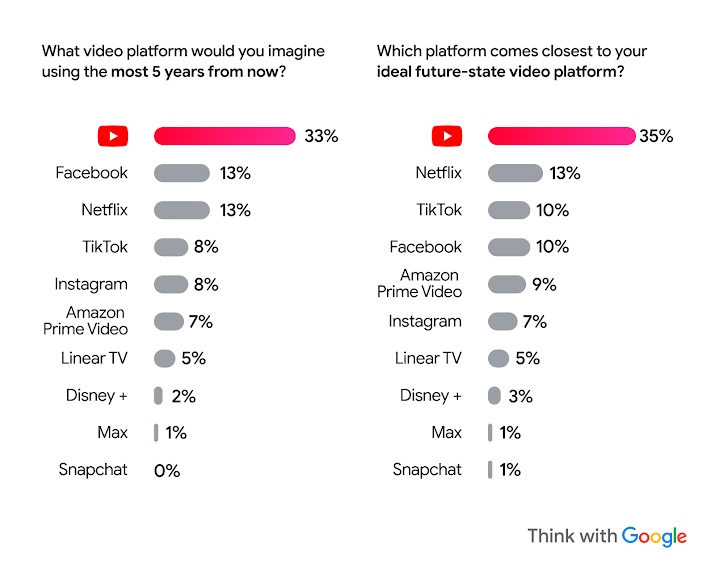
This points toward how consumer behaviors that are transforming the media landscape —
the preference for creator-made video across multifaceted journeys — are likely to stick
and accelerate in the coming years. Marketers can close the gap between these ascendant
behaviors and their strategies by thinking about YouTube more like audiences do: as the
platform that serves every need, is home to the most trusted voices, and provides the
most relevant content.
Ultimately, the future is video-first. Marketers who boldly realign their media
investments with how consumers actually make decisions will win in this new reality,
building a significant and lasting competitive advantage.
link